

Real Estate PPC: The Ultimate Guide to Scaling Seller Leads With Pay-Per-Click Advertising
If real estate marketing were a race, PPC would be the nitrous button—accelerating your efforts by putting your ads directly in front of motivated sellers actively searching for solutions. Real estate PPC (pay-per-click) is a paid advertising model where you pay only when someone clicks your ad on search engines like Google or Bing. These clicks come from homeowners typing urgent phrases like "sell my house fast" or "cash buyer for inherited home," making PPC one of the most powerful and targeted marketing channels to generate leads quickly and efficiently.

What Is Real Estate PPC?
PPC Advertising Explained for Real Estate
Real estate PPC is an online advertising model where you pay only when someone clicks your ad. Instead of waiting months for SEO rankings or hoping a postcard lands at the perfect time, PPC puts you directly in front of people already looking for help. You're not interrupting. You're responding.
Why PPC Is a Perfect Fit for Motivated Sellers
Most real estate transactions are emotional. PPC captures sellers at the exact moment that emotion peaks—when stress, urgency, or uncertainty drives action. That's the difference between chasing leads and attracting them.
Intent-Based Marketing vs Interruption Marketing
Cold calls and mail interrupt daily life, often catching people off guard and leading to lower engagement. PPC, on the other hand, meets intent head-on. It connects you directly with motivated sellers who are actively searching for solutions, making it a far more efficient and effective approach. Intent-driven marketing consistently converts better because it reaches prospects at the exact moment they are ready to take action.
How Real Estate PPC Works Step by Step
Keyword Selection and Search Intent
Everything starts with keywords. Effective keyword research is crucial for identifying the right keywords and best keywords for your market, especially those that signal high motivation, such as 'sell my house fast for cash.' When a seller types a phrase into Google, they reveal their intent. Your job is to show up for the right intent—not every search. There is no secret list of a few keywords that guarantee success; ongoing research, market-specific targeting, and continuous optimization are required to achieve the best results in real estate PPC campaigns.
Ad Auctions and Quality Score
Google doesn't reward the highest bidder alone. Relevance, ad copy, and landing page quality all impact cost. Expected click through rate and ad relevance are key components of Google's quality score, directly influencing how your ads perform and what you pay. Better campaigns often pay less per click.
Clicks, Conversions, and Lead Capture
A click is useless without conversion. If you delay follow-up after a click, you risk a lead drop, which reduces your chances of converting qualified leads. That's why landing pages and follow-up systems matter more than traffic volume, with a focus on lead quality, not just traffic volume.

Real Estate PPC vs Traditional Lead Generation
PPC vs Direct Mail
Direct mail builds familiarity and brand recognition over time by repeatedly reaching potential sellers in their mailboxes. It's a long-term strategy that nurtures leads slowly but steadily. PPC, on the other hand, captures urgency right now by putting your ads in front of motivated sellers actively searching online. When combined, these channels create a powerful dominance—direct mail warms the audience, and PPC captures action at the peak moment of intent.
PPC vs Cold Calling
Cold calling relies heavily on volume and persistence, often interrupting people who may not be ready to engage. It requires a large number of calls to generate a few leads, making it labor-intensive and less predictable. PPC requires precision by targeting motivated leads at the exact moment they express interest through search. While neither is inherently better, they serve different roles in a comprehensive marketing strategy—cold calling can warm leads, while PPC delivers immediate, intent-driven connections.
PPC vs SEO for Real Estate Investors
SEO is a long-term investment that compounds over time, building organic traffic and authority gradually. It's a valuable strategy for sustained growth but requires patience and ongoing effort. PPC produces immediate results by placing your ads at the top of search results instantly, making it ideal for fast lead generation. For real estate investors, combining both strategies creates a balanced approach—PPC drives quick wins, while SEO builds lasting presence and credibility.
Why Real Estate Investors and Agents Rely on PPC
Capturing Sellers at the Moment of Pain
People don't casually search "sell my house as-is." They search because something hurts. Whether it's financial stress, an unexpected life event, or the burden of an unwanted property, these searches reflect real urgency and emotional pain. Real estate PPC allows you to meet sellers precisely at this critical moment, offering solutions when they're most motivated to act. By targeting these high-intent queries, your ads connect with people ready to make decisions, turning their pain points into opportunities for fast and effective lead generation.
Predictable and Scalable Lead Volume
Increase budget—get more leads. Pause spend—stop leads. Few channels offer that level of control. Adjusting PPC budgets in response to market conditions and closely monitoring lead costs is essential for maintaining ROI and ensuring your real estate PPC campaigns remain efficient and competitive.
Hyper-Local Targeting Advantages
PPC lets you focus on exact cities, ZIP codes, or even radius targeting around distressed areas. Building a strong local presence through targeted PPC can increase trust and visibility in your chosen markets.
Best PPC Platforms for Real Estate
Google Ads for Seller Leads
Google Search Ads are the gold standard in real estate PPC, offering high intent, high competition, and high reward. A successful Google Ads campaign requires careful keyword selection, well-organized ad groups, appropriate match types, and strategic bidding to attract motivated seller leads and drive real estate sales. Utilizing smart bidding leverages Google's automation and machine learning to dynamically adjust bids based on real-time signals, improving ad placement and reducing costs in the competitive real estate market. To learn more about working google ads into your strategy for your business, see Mastering Google Ads for Motivated Seller Campaigns: A Practical Guide.
Bing Ads as a Cost-Effective Alternative
Bing Ads offer a valuable alternative to Google Ads, especially for real estate professionals looking to maximize their advertising budget. Due to generally lower competition on the Bing platform, advertisers often experience cheaper clicks, which can translate to a lower cost per lead. Additionally, Bing users tend to have a slightly older demographic, which can be advantageous depending on your target market. Many real estate PPC campaigns find strong conversion rates on Bing, making it a smart addition to a diversified paid advertising strategy.
Facebook and Instagram PPC
Facebook and Instagram PPC campaigns excel at building brand awareness and retargeting audiences, making them ideal platforms for storytelling and nurturing potential clients over time. While these social media platforms may not capture immediate seller intent as directly as search engines do, they provide excellent opportunities to engage users with compelling ad copy, visuals, and videos. Retargeting ads on Facebook and Instagram can remind prospects of your services, keeping your real estate brand top-of-mind until they are ready to take action.
YouTube Ads for Authority and Trust
YouTube ads are a powerful medium for real estate professionals to establish authority and build trust with potential clients before any direct contact occurs. Through engaging video content such as property tours, client testimonials, and educational market insights, you can create familiarity and credibility that set you apart from competitors. Video ads on YouTube allow you to connect emotionally with your audience, making it easier to convert leads when they finally reach out. This form of advertising complements search and social campaigns by nurturing prospects through the buyer's journey.
Choosing the Right Real Estate PPC Campaign Type
Motivated Seller Campaigns
These campaigns are laser-focused on speed, relief, and certainty, targeting sellers who need to act quickly. The messaging emphasizes fast closings, hassle-free processes, and cash offers, appealing directly to homeowners facing urgent situations like foreclosure, inherited properties, or financial distress. To learn more about working with motivated sellers, see 10 Proven Strategies to Find Motivated Sellers in Real Estate. By capturing these motivated sellers at the peak of their intent, these campaigns generate high-quality leads ready to move forward immediately.
Buyer and Listing Campaigns
These campaigns face higher competition and typically require longer nurturing cycles. They focus on attracting potential buyers and sellers who may not be ready to act immediately but are researching options. The strategy involves building trust and educating prospects over time through compelling ad copy and engaging content. Successful campaigns in this category often leverage remarketing and multi-touchpoint approaches to convert leads through consistent follow-up.
Investor PPC vs Agent PPC
Investor PPC campaigns prioritize speed and problem-solving, targeting motivated sellers looking for quick cash offers and straightforward transactions. The ads emphasize urgency, simplicity, and direct solutions to seller pain points. In contrast, agent PPC campaigns focus more on education and trust-building, appealing to buyers and sellers who value expertise, local knowledge, and long-term relationships. Agents often highlight their track record, community presence, and personalized service to nurture leads through the buying or selling journey.
High-Converting Real Estate PPC Keywords
Core Motivated Seller Keywords
Examples:
sell my house fast
we buy houses
cash home buyers near me
sell inherited house
sell house without repairs
Long-Tail Keywords With Lower Competition
Longer phrases often convert better at lower cost:
sell inherited property without probate
sell house with code violations
sell house with tenants
Negative Keywords That Protect Your Budget
Block terms like:
jobs
license
training
rent
apartments
Negative keywords are profit protection.

Structuring PPC Campaigns the Right Way
Campaigns, Ad Groups, and Keywords
Tightly themed ad groups consistently outperform broad, unfocused campaigns. Organizing your campaigns with specific ad groups that target closely related keywords ensures higher ad relevance, better quality scores, and ultimately, improved lead quality and lower costs.
Match Types and Bidding Strategy
Using exact and phrase match keywords helps reduce wasted spend by targeting more precise search queries. While broad match can increase reach, it requires careful monitoring and disciplined negative keyword management to avoid irrelevant clicks and unnecessary costs.
Geographic and Time-Based Targeting
Run your ads only during hours when you or your team can promptly respond to inquiries. Missed calls or delayed responses often result in lost deals and wasted ad spend. Additionally, geographic targeting lets you focus your budget on the most valuable local markets, maximizing your return on investment.
Creating Landing Pages That Convert PPC Traffic
Why PPC Traffic Should Never Go to a Homepage
Sending PPC traffic to your homepage often lowers conversion rates because homepages serve many purposes and can overwhelm visitors with distractions. Motivated sellers clicking your ad want a clear solution, not a general overview. Dedicated landing pages focus their attention on the desired action—like filling out a form or calling—removing unnecessary navigation and boosting conversions.
Must-Have Elements of High-Converting Pages
A high-converting landing page needs a clear headline that quickly communicates your offer, simple copy that outlines benefits, and trust signals like testimonials or badges to build credibility. Minimizing distractions by removing extra links or clutter keeps visitors focused on converting, increasing your chances of success.
Forms, Calls, and Mobile Optimization
Since most PPC traffic comes from mobile devices, your landing page must load fast, be easy to use on small screens, and have simple forms asking only for essential info. Click-to-call buttons help mobile users contact you instantly. Without mobile optimization and easy conversion paths, you risk losing valuable leads.
Writing PPC Ads That Drive Clicks and Conversions
Headlines That Stop the Scroll
Speak directly to the problem:
Avoid foreclosure
Sell without repairs
Close on your timeline
Emotional Triggers That Motivate Sellers
Fear, relief, speed, and certainty are powerful emotional triggers that drive people to take action faster than pure logic ever could. Understanding these emotions allows you to craft PPC ads and landing pages that resonate deeply with sellers, addressing their pain points and offering solutions that feel both urgent and reassuring. When you tap into these feelings, you don't just get clicks—you create connections that convert.
Ethical and Compliant Messaging
Building trust through respectful and honest messaging is essential for long-term success in real estate PPC. Ethical advertising not only protects your reputation but also ensures compliance with legal standards, avoiding costly penalties or ad disapprovals. Misleading or exaggerated claims may generate short-term interest but ultimately damage your brand's credibility and longevity. Consistently clear, truthful, and fair messaging fosters lasting relationships with clients and sustainable growth.

Budgeting and Costs in Real Estate PPC
Average Cost Per Click by Market
The average cost per click (CPC) in real estate PPC campaigns varies widely, typically ranging from $5 to over $60 depending on market competitiveness, location, and targeted keywords. Urban and premium markets usually have higher CPCs, while less competitive areas tend to be lower. Knowing these differences helps you budget effectively and maximize your ad spend.
Cost Per Lead Expectations
Strong real estate PPC campaigns usually see a cost per lead (CPL) between $50 and $150. This depends on lead quality, target niche, and campaign management efficiency. Focusing on lead quality often improves conversion rates and ROI, so monitoring and adjusting CPL is essential.
Scaling Campaigns Without Losing ROI
Scale your real estate PPC campaigns carefully and based on data. Increasing budgets too fast without analyzing performance can waste ad spend and reduce ROI. Review conversion metrics and lead quality before scaling. Methodical scaling and ongoing optimization help grow leads while maintaining profitability.
Tracking, Analytics, and Optimization
Conversion Tracking Essentials
Tracking every lead interaction is crucial to understanding your campaign's effectiveness. Make sure to set up conversion tracking for form submissions, phone calls, and booked appointments. Without accurate tracking, you're essentially guessing where your leads come from, which can lead to wasted ad spend and missed opportunities to optimize your real estate PPC campaigns.
A/B Testing Ads and Landing Pages
Small changes can have a big impact. Continuously testing different headlines, ad copy, images, and landing page layouts can dramatically improve your conversion rates. A single headline tweak or button color change can sometimes double your results. Never stop testing to discover what resonates best with your target audience and drives more high-quality leads.
Optimizing for Quality Leads, Not Just Volume
Generating a high volume of leads means little if they don't convert. Focus your efforts on attracting qualified, motivated sellers who are ready to take action. Use data and analytics to identify which keywords, ads, and landing pages produce the best lead quality, and allocate your budget accordingly to maximize ROI and grow your real estate business.
Common Real Estate PPC Mistakes
Overbidding on Broad Keywords
Overbidding on broad keywords without control can waste your budget on irrelevant clicks from unmotivated users. This drives up your cost per lead and lowers campaign efficiency. To avoid this, focus bids on targeted, high-intent keywords and use negative keywords to filter out unwanted traffic.
Poor Follow-Up Systems
Most deals require multiple follow-ups—often five or more—before converting. Without a strong follow-up system, leads can slip away to competitors. Use automated emails, timely calls, and personalized outreach to nurture leads and boost your chances of closing.
Ignoring Data and Optimization Signals
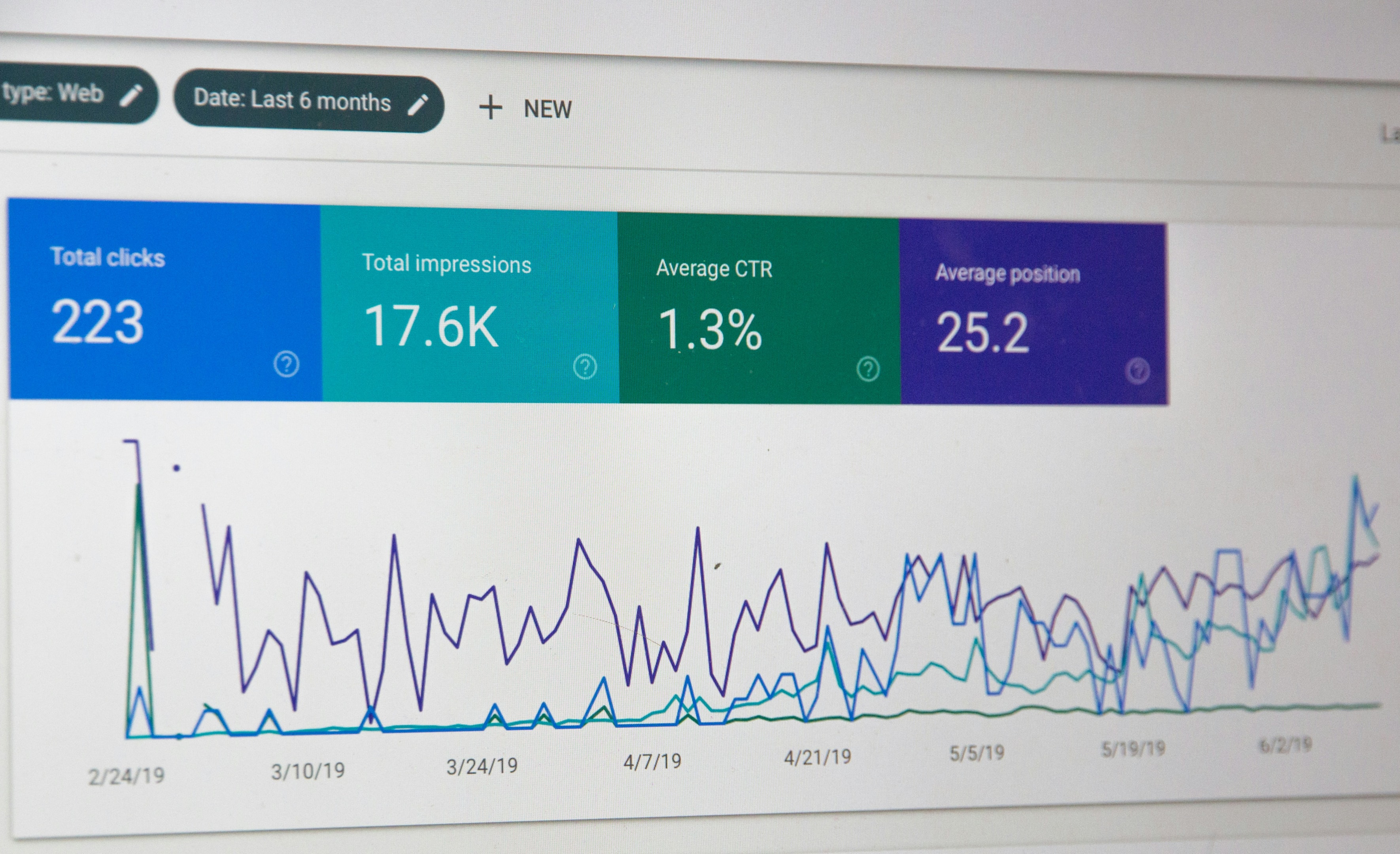
Ignoring PPC data like click-through and conversion rates means missing chances to improve. Regularly analyze performance metrics to identify what works and adjust your campaigns. This boosts ROI, cuts wasted spend, and improves lead quality.

PPC for Motivated Seller Niches
Probate and Inherited Property PPC
Probate and inherited property PPC campaigns target a niche with lower competition but highly motivated sellers. These campaigns focus on homeowners who recently inherited property and may be unfamiliar with the process or facing urgent decisions. By marketing ethically, you connect with sellers at a critical moment, offering solutions that simplify probate sales and ease their burden. This often leads to higher lead quality and conversion rates. To learn more about working with probate and inheritance leads, see Probate Leads Made Simple: How to Get Started in 2025 and Maximizing ROI from Inherited Property: A Real Estate Investor's Comprehensive Guide.
Pre-Foreclosure PPC
Pre-foreclosure PPC campaigns reach homeowners at risk of losing their property due to missed payments or financial hardship. These ads emphasize urgency and relief, offering fast, fair solutions to help avoid foreclosure. Due to the sensitive nature, strict compliance and ethical marketing are essential. When done right, these campaigns attract highly motivated sellers ready to act quickly, making them valuable in a real estate PPC strategy.
Vacant, Absentee, and Distressed Property PPC
These campaigns focus on vacant, absentee, and distressed properties often missed by traditional marketing but offering valuable off-market opportunities. Targeting owners who may not actively want to sell but can be persuaded with the right offer, these campaigns generate leads for properties with challenges like neglect or tenant issues. Tailored ad copy and landing pages attract motivated sellers and investors seeking off-market deals, expanding your lead pipeline.
Ethical Marketing in Sensitive Situations
Marketing sensitive real estate requires a respectful tone. Whether probate, pre-foreclosure, or distressed properties, honesty, transparency, and empathy build trust and long-term relationships. Ethical marketing complies with legal standards and resonates better with sellers, ensuring sustainable success and protecting your brand in competitive markets.
Combining PPC With Other Real Estate Marketing Channels
PPC and Direct Mail Retargeting
Direct mail helps build familiarity and trust over time by repeatedly putting your brand in front of potential sellers. When combined with PPC, which captures intent at the exact moment of search, this creates a powerful one-two punch. Mail warms the audience, and PPC converts them by reaching motivated sellers actively looking for solutions, increasing overall lead quality and volume.
PPC and Cold Calling
PPC campaigns attract motivated sellers who are already searching for help, warming the leads that cold calling alone might miss. By integrating PPC with cold calling efforts, you can focus outreach on prospects who have already expressed interest, making your calls more effective and increasing your chances of closing deals.
Building a Multi-Channel Lead Engine
Diversifying your marketing channels creates a more stable and resilient lead generation system. Combining PPC with direct mail, cold calling, local SEO, and social media ensures you reach sellers at different stages of their journey. This multi-channel approach maximizes your exposure, nurtures leads over time, and ultimately drives more consistent and higher-quality seller leads.
Integrating Local SEO With Real Estate PPC for Maximum Lead Generation
When it comes to generating high quality leads in real estate, combining local SEO with estate PPC is a game-changer. Real estate agents and investors who integrate these two strategies can dominate their local market, boost their online visibility, and consistently attract motivated seller leads. Local SEO ensures your business is found organically by people searching for real estate services in your area, while PPC campaigns put your message in front of those ready to take action right now. Together, they create a powerful lead generation engine that delivers both immediate and long-term results.
How Local SEO Complements PPC
Local SEO and PPC ads form a powerful duo for real estate lead generation. PPC provides instant visibility and captures leads from high-intent searches, while local SEO builds your reputation and authority over time. Optimizing your website for local terms attracts organic traffic, so you capture leads both paid and natural. For instance, someone searching "sell my house fast in [city]" might see your PPC ad at the top and your organic listing below, doubling your chances of a click. This leads to more leads, stronger brand recognition, and a better local presence.
Optimizing Google Business Profile for Seller Leads
A well-maintained Google Business Profile is key to maximizing local SEO and PPC results. Claim and verify your profile to appear prominently in local searches. Keep your info accurate, add quality photos, and respond to reviews to build trust. Regular updates—like new listings or client testimonials—show you're active in the community. A strong profile boosts local SEO and reinforces your credibility when prospects research you after seeing your ads.
Leveraging Local Listings and Reviews
Local listings and client reviews enhance your PPC impact. Listing your business in trusted directories and encouraging positive reviews improves visibility and trust with motivated sellers. High ratings and testimonials help your ads stand out and drive more quality clicks. Use long-tail keywords like "real estate agents in [neighborhood]" to attract targeted searches. When PPC, local SEO, and reputation work together, you position yourself as the go-to expert. Continuously optimizing listings, reviews, and ads keeps you ahead in generating leads with real estate PPC.

Final Thoughts on Real Estate PPC
Real estate PPC isn't a gamble—it's a proven system designed for consistency. When structured correctly with smart targeting, relevant keywords, and compelling ad copy, it delivers predictable, scalable, and high-intent seller leads that can fuel your business growth. Treat it like a strategic investment rather than a one-off experiment, and it can become the reliable backbone of your deal flow, helping you connect with motivated sellers at exactly the right moment.