

Real Estate Valuation: The Ultimate Guide to Understanding What Property Is Really Worth
Real estate valuation is where logic meets emotion—and logic has to win. Whether buying, selling, or investing, understanding valuation is crucial to avoid costly mistakes. Property value isn't fixed; it shifts with market conditions, buyer behavior, interest rates, and sentiment. An accurate valuation provides the clarity needed for informed decisions in investment, sales, or financing. Without it, you're just guessing—and guessing in real estate is expensive. Let's break down the essentials to help you make smarter choices.

What Is Real Estate Valuation?
Definition in Plain English
Real estate valuation is the process of determining how much a property is worth in the current market. Not what the owner hopes it's worth. Not what a neighbor got last year. But what a qualified buyer would realistically pay today. Real estate valuation often relies on the professional opinion of a licensed appraiser, whose unbiased assessment is critical for accurate and objective property values. Valuation plays a role in nearly every real estate decision—buying, selling, refinancing, investing, taxation, divorce, and estate planning.
Why Value Is Not the Same as Price
Price is what someone asks. Value is what someone pays. Market value is defined as the most probable price a property would bring in a competitive and open market. The gap between the two is where negotiations, deals, and disappointments happen.
Why Real Estate Valuation Is So Important
Buyers and Homeowners
Buyers want to avoid overpaying. Homeowners want to understand equity and refinancing options. Valuation gives clarity instead of assumptions. Understanding the fair market value helps buyers and homeowners make informed decisions about offers and negotiations.
Sellers and Estate Executors
Sellers who overprice chase the market downward. Accurate property valuation is also crucial for property tax assessments, which can impact the financial responsibilities of sellers and estate executors. Executors who misunderstand value risk legal and financial trouble.
Real Estate Investors and Wholesalers
For investors, valuation is survival. A small error in ARV or rent assumptions can wipe out profits fast. Investors often analyze market based potential income by comparing local rental rates to estimate a property's earning potential.
Lenders, Appraisers, and Risk Control
Banks care less about upside and more about downside. In any credit transaction, lenders rely on objective property valuations to ensure sound lending decisions. That's why appraisals often feel conservative—they're designed to protect capital. Appraiser independence is protected by regulations to prevent undue influence and ensure unbiased valuations. Appraisal management companies also play a key role in overseeing the appraisal process and maintaining compliance with industry standards.
The Psychology Behind Property Value
Perception vs Reality
Two identical homes in the same area can sell for different prices depending on factors like presentation, timing, and buyer motivation. How a home is staged, marketed, and the urgency of buyers all play a role in the final sale price—sometimes creating a gap between perceived and actual value.
Emotional Attachment and Overpricing
Owners often attach sentimental value and memories to their homes, which can cloud their judgment. Buyers, however, focus on numbers and market realities. This emotional attachment can lead to overpricing, making it harder to sell and potentially leading to longer time on market or price reductions down the line. Guess who wins in the end? The market does.
The Three Main Methods of Real Estate Valuation
Sales Comparison Approach
This method, also known as the market approach, compares the property to similar homes that recently sold nearby. It's the most common approach for residential real estate.
Income Approach
Used mainly for rentals and commercial properties, this approach values property based on income generation. The income approach uses the capitalization rate (cap rate) to estimate property value by dividing the net operating income (NOI) by the cap rate, making it a key metric in real estate valuation. This method is especially useful for valuing multifamily properties, which generate substantial rental income suitable for income capitalization methods.
Cost Approach
This method estimates what it would cost to rebuild the property today, minus depreciation. The cost approach is particularly suitable for certain property types, such as new builds and unique-use properties like schools or hospitals. Each approach tells a different story—and smart valuation listens to all three.

Sales Comparison Approach Explained
Selecting Accurate Comparable Properties
Good comps are close, recent, and similar. Appraisers and agents often use the multiple listing service (MLS) to identify accurate comparable properties, as it provides comprehensive real estate records and market information. A bad comp is worse than no comp at all.
Adjustments That Change Value
Extra bathrooms, garages, square footage, and overall condition all require careful adjustments to maintain an accurate valuation. These features can significantly impact a property's desirability and market value. For example, adding a bathroom or upgrading the kitchen can increase value, while outdated systems or structural issues may decrease it. Appraisers carefully analyze these factors to ensure the comparison remains fair and reflective of the property's true worth.
Strengths and Weaknesses of the Sales Comparison Method
The sales comparison method works best in stable, active markets where ample comparable sales data is available. It provides a straightforward, market-based estimate of value that reflects what buyers are currently willing to pay. However, this approach can struggle during periods of rapid market shifts or in areas with few comparable properties, leading to less reliable valuations. Additionally, unique or highly customized properties may not fit neatly into this method, requiring supplemental valuation techniques to capture their true value.
Income Approach Explained
Gross Income vs Net Operating Income
Gross income represents the total income generated by a property before any expenses are deducted. While it looks impressive on paper, it doesn't tell the full story. Net Operating Income (NOI), on the other hand, provides a clearer picture by subtracting operating expenses such as maintenance, property management fees, taxes, and insurance. NOI reflects the actual income that a property generates, making it a more accurate measure for valuation and investment decisions.
Cap Rates and Risk
Capitalization rates, or cap rates, are used to estimate the return on investment for a property based on its net operating income. Properties with higher perceived risks—due to location, tenant stability, or market conditions—typically require higher cap rates to attract investors. This higher required return effectively lowers the property's market value. Conversely, lower-risk properties tend to have lower cap rates, reflecting their stability and desirability.
Why Investors Rely on This Method
Investors trust the income approach because it focuses on real, measurable cash flow rather than speculation. Income doesn't lie—numbers provide a concrete foundation for assessing value, making it easier to compare properties and make informed investment choices. This method helps investors evaluate potential returns relative to risks, ensuring they make sound financial decisions based on actual income generation.

Cost Approach Explained
Replacement Cost vs Reproduction Cost
Replacement cost refers to the expense of constructing a property using modern materials and current building standards, without necessarily replicating the exact design or details of the original structure. In contrast, reproduction cost involves rebuilding the property as closely as possible to its original form, including architectural details, materials, and craftsmanship, which can often be more expensive and time-consuming.
Depreciation and Functional Obsolescence
Depreciation accounts for the loss in value due to physical wear and tear, age, or damage to the property. Functional obsolescence, however, relates to design flaws or outdated features that reduce a property's usefulness or appeal, such as outdated layouts, insufficient electrical capacity, or poor room configurations. Both factors can significantly reduce the overall value, even if the structure itself remains sound.
Best Situations for Using the Cost Approach
The cost approach is particularly effective for new construction, unique or specialized properties that lack comparable sales data, and insurance claims where replacement cost needs to be accurately estimated. It is also valuable when assessing properties with limited market activity or when improvements have been recently made that significantly affect value.
Key Factors That Influence Real Estate Value
Location and Neighborhood Trends
Jobs, schools, safety, and development plans matter more than granite countertops. A neighborhood's overall appeal, including access to amenities like parks, shopping centers, and public transportation, plays a significant role in shaping property values. Upcoming infrastructure projects or zoning changes can also influence future value, making it essential to stay informed about local developments.
Property Condition, Layout, and Age
Deferred maintenance quietly kills value. The overall condition of a property, including the state of the roof, plumbing, electrical systems, and foundation, heavily impacts its market worth. Additionally, the layout and design can affect desirability; open floor plans, modern kitchens, and functional spaces tend to attract buyers more than outdated or awkward configurations. The age of the property also factors in, as older homes may require more repairs or updates, which can reduce value.
Market Cycles and Interest Rates
Higher rates reduce buying power, which directly impacts value. Real estate markets go through cycles of growth, stability, and decline, influenced by economic conditions and consumer confidence. Interest rates affect mortgage affordability; when rates rise, fewer buyers qualify for loans or are willing to pay higher monthly payments, which can slow demand and put downward pressure on prices.
Supply, Demand, and Buyer Behavior
Fear freezes markets. Confidence fuels them. When supply exceeds demand, prices tend to drop as sellers compete for buyers. Conversely, limited inventory and high demand can drive prices up quickly. Buyer psychology also plays a crucial role—market optimism encourages purchases and bidding wars, while uncertainty or fear can lead to hesitation and price stagnation. Understanding these dynamics helps explain why property values fluctuate beyond just physical attributes.

Real Estate Valuation for Investors
ARV (After Repair Value)
Overestimating ARV is one of the most common and costly mistakes investors make. ARV represents the estimated value of a property after all repairs and renovations are completed. Getting this number wrong can lead to overpaying for a property or underestimating the costs needed to make it market-ready, both of which can severely impact profitability. Accurate ARV calculations require careful analysis of comparable properties, current market conditions, and realistic repair budgets.
Cash Flow and Appreciation
Cash flow is the steady income you receive from rental properties, covering expenses and ideally generating profit each month. It keeps your investment afloat by providing immediate returns. Appreciation, on the other hand, is the increase in property value over time, building long-term wealth. Successful investors balance both by ensuring positive cash flow while also targeting properties with strong appreciation potential, considering factors like location, market trends, and economic growth.
Valuation Based on Exit Strategy
Different exit strategies require different valuation perspectives. Flippers focus on quick resale value, emphasizing ARV and repair costs to maximize profit margins. Rental investors prioritize cash flow and long-term appreciation, valuing steady income and property stability. Wholesalers concentrate on contract assignment value, needing to understand market demand and buyer interest. Tailoring your valuation approach to your specific exit strategy ensures smarter investment decisions and better financial outcomes.
Appraisals vs Automated Valuation Models (AVMs)
How Appraisals Work
Appraisers combine data with professional judgment and local knowledge. Every appraisal report specifies an effective date, which is the date the valuation is based on. This ensures that the real estate valuation reflects the market conditions as of that specific time.
The Pros and Cons of Online Valuation Tools
Fast, convenient, and often wrong—especially with condition and unique properties. The reliability of online valuation tools depends heavily on access to accurate data, as incomplete or outdated information can lead to significant errors in real estate valuation.
Combining Data With Human Judgment
The best valuations blend technology and experience.
While data-driven tools provide valuable insights, human expertise is crucial for interpreting unique property features and local market trends. Integrating technology with human expertise can create more consistency in property valuations, reducing the impact of inconsistent data and subjective judgment. This approach ensures that valuations are both accurate and reliable, leveraging the strengths of both advanced software and professional judgment.
Common Real Estate Valuation Mistakes
Trusting Online Estimates Blindly
Algorithms don't walk properties or see the nuances of a home's condition, neighborhood vibe, or unique features. Relying solely on online estimates can lead to significant misjudgments in value because these tools often miss critical details that only a physical inspection or professional appraisal can uncover.
Ignoring Deferred Maintenance
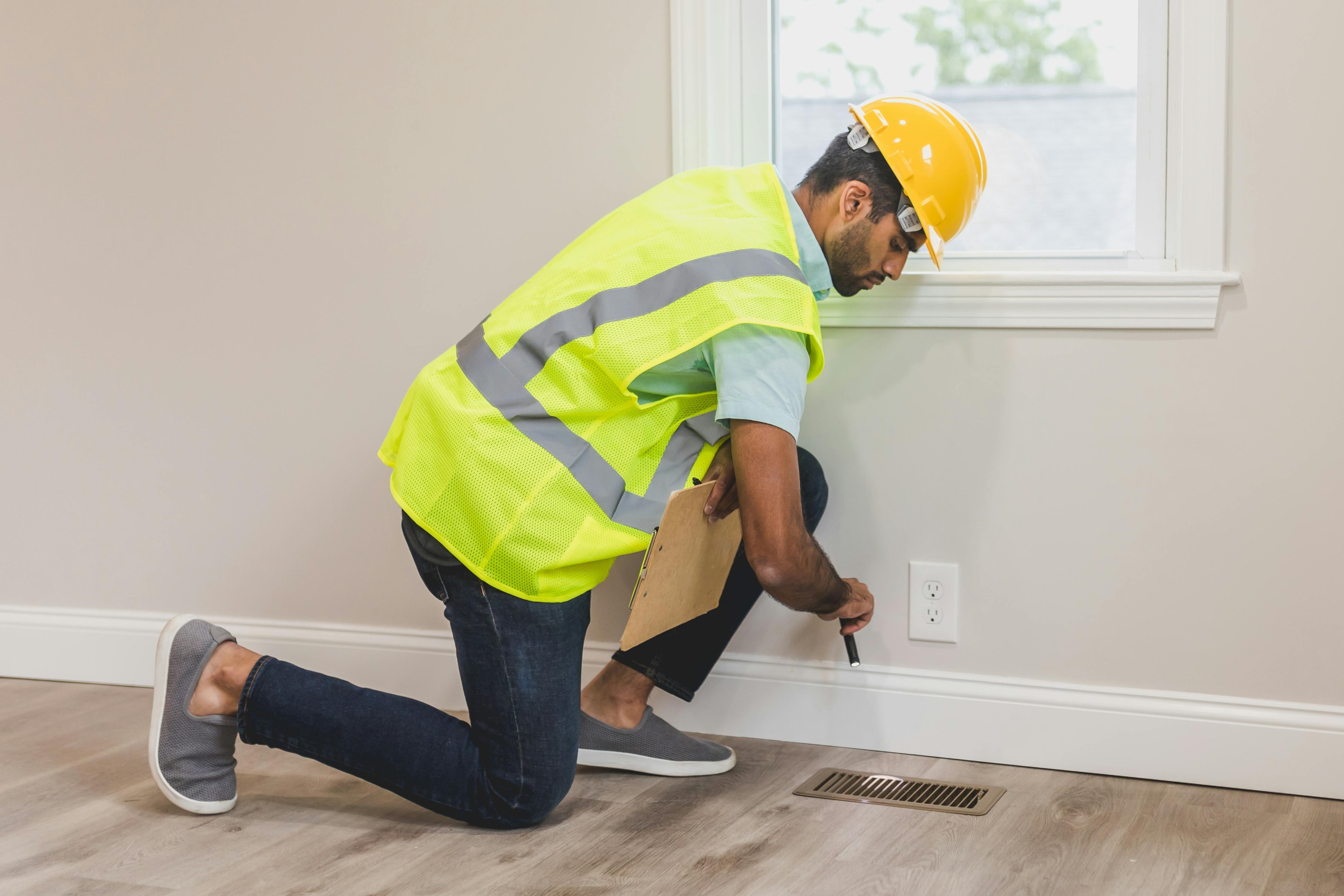
Deferred maintenance might seem minor at first, but buyers always notice the wear and tear that's been put off. Cracked paint, leaky roofs, or outdated systems can dramatically lower a home's value and scare off potential buyers, making it essential to factor these issues into any valuation.
Using Outdated Market Data
Real estate markets can change rapidly, especially in hot or volatile areas. Using old comparable sales or outdated market information can result in inaccurate valuations, leading to poor decisions and financial losses. Always ensure your data reflects the most current market conditions.
How to Improve Valuation Accuracy
Using Multiple Valuation Methods
Cross-checking property values using multiple valuation methods is an essential strategy to reduce blind spots and improve accuracy. Each valuation approach—sales comparison, income, and cost—offers unique insights and highlights different aspects of a property's worth. By combining these methods, real estate professionals and investors can identify discrepancies, validate assumptions, and develop a more comprehensive understanding of a property's true market value. This multi-method approach is especially important in complex or fluctuating markets where relying on a single method may lead to misleading conclusions.
Studying Local Market Trends
Real estate is inherently local, and understanding local market trends is crucial for accurate valuation. Market conditions such as neighborhood development, employment rates, vacancy rates, and buyer demand directly influence property values. Keeping a close eye on these trends allows investors, buyers, and sellers to anticipate shifts in market dynamics and adjust their strategies accordingly. Utilizing resources like local real estate reports, multiple listing service (MLS) data, and economic indicators can help identify market trends that impact property value. This localized knowledge ensures valuations reflect current realities rather than outdated or generalized data. To learn more about what might be affecting your local market, see Real Estate Market Trends: What to Expect in 2025.
Leveraging Professional Expertise
While data and technology provide invaluable tools, professional expertise remains irreplaceable in real estate valuation. Experienced real estate agents and licensed appraisers bring nuanced understanding of market conditions, property-specific factors, and buyer behavior that data alone cannot capture. Their ability to interpret subtle details, such as neighborhood desirability, property condition, and emerging market trends, fills critical gaps in valuation models. Collaborating with knowledgeable real estate professionals ensures that valuations are not only data-driven but also contextually accurate, enhancing decision-making for buyers, sellers, and investors alike. Working with experts who have strong local market knowledge can significantly improve the reliability and credibility of your property valuation.
Valuation in Changing and Uncertain Markets
Rising Interest Rates
As interest rates rise, the cost of borrowing increases, which directly impacts affordability for buyers. When financing becomes more expensive, fewer buyers can qualify for loans or are willing to pay higher monthly payments. This reduction in demand often leads to downward pressure on property values as sellers adjust expectations to attract qualified buyers. Rising interest rates can also slow market activity, making it essential for investors and homeowners to understand how these shifts affect both short-term sales and long-term property appreciation.
Market Corrections
Market corrections occur when real estate prices adjust after a period of rapid growth or overvaluation. These corrections reset buyer and seller expectations to more sustainable levels but typically do not reflect fundamental changes in the underlying value of properties. Instead, they serve as a natural market mechanism to balance supply and demand. Understanding market corrections helps investors avoid panic selling and recognize opportunities to buy quality properties at fair market values.
Short-Term Volatility vs Long-Term Value
Real estate markets often experience short-term volatility due to economic news, policy changes, or shifts in buyer sentiment. However, smart investors focus on long-term value, recognizing that property investments tend to appreciate over time despite temporary fluctuations. By maintaining a long-term perspective and analyzing factors such as location, market trends, and economic fundamentals, investors can weather volatility and build sustainable wealth through real estate.
Technology and the Future of Real Estate Valuation
AI and Predictive Models
Artificial intelligence is transforming real estate valuation by spotting market trends and shifts faster than any human analyst. These advanced predictive models analyze vast amounts of data to forecast property values and market movements with increasing accuracy, helping investors and professionals make smarter decisions.
Big Data and Real-Time Pricing
The days of relying on lagging data are fading as big data technologies provide real-time pricing insights. By continuously processing current market information, including sales, listings, and economic indicators, these tools offer up-to-the-minute valuations that reflect the latest market conditions.
Investor-Focused Valuation Software
Valuation software tailored for investors is becoming faster, smarter, and more specialized. These platforms integrate multiple data sources, automate complex calculations like discounted cash flow and gross rent multiplier, and provide customized reports to support diverse investment strategies and risk assessments.
Conclusion
Real estate valuation isn't guesswork—it's a disciplined practice that blends math, psychology, market awareness, and professional experience into one critical number. It requires understanding complex data, recognizing market trends, and applying sound judgment to arrive at an accurate property value. Mastering valuation gives you leverage, confidence, and protection in every transaction, whether buying, selling, or investing. Ignore it, and you're gambling with your financial future. In a market that constantly shifts due to economic factors, buyer behavior, and interest rates, knowing the true value of a property is the closest thing to certainty you'll ever get.